
5 min readExample Post
What to Do If Your Car Breaks Down on the Motorway
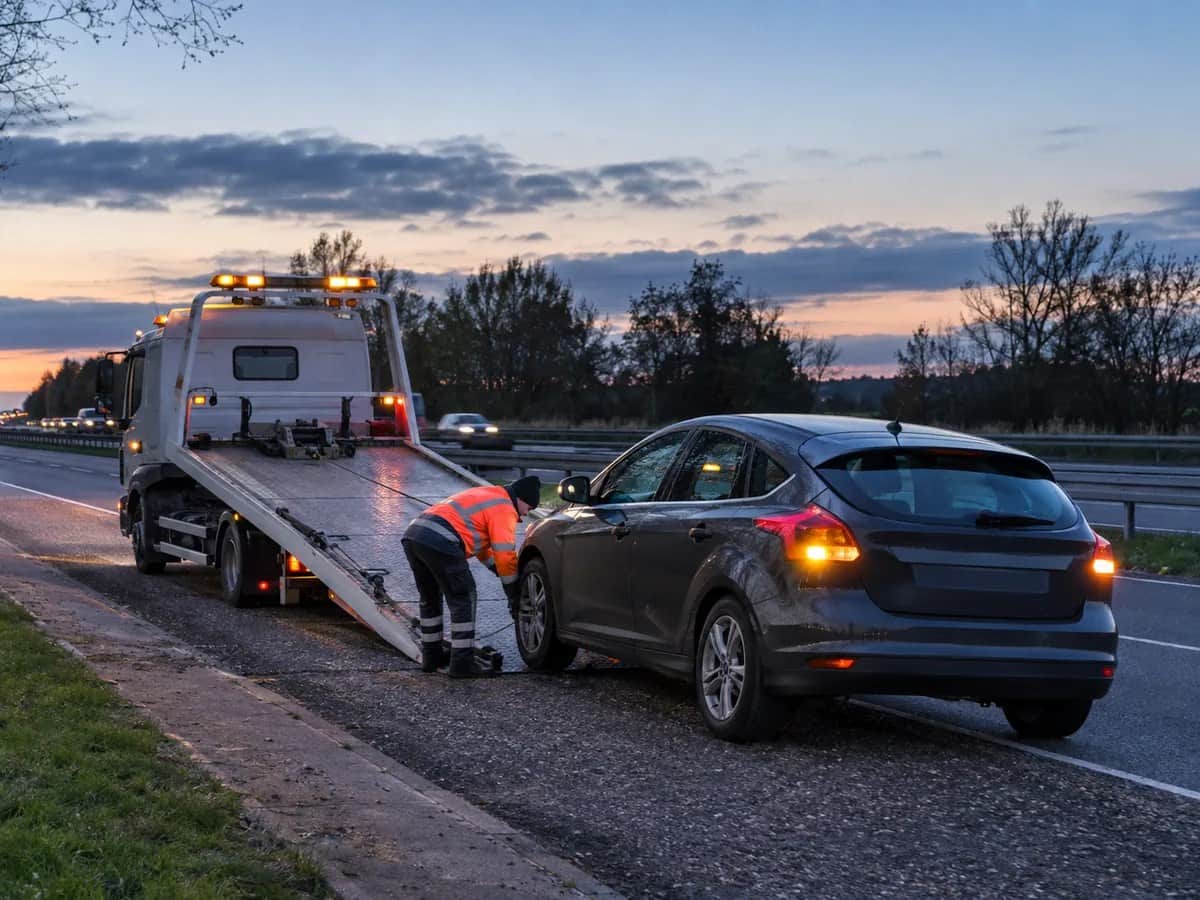
A breakdown on a fast-moving motorway is one of the more stressful situations a driver can face. Here's how to stay safe and get help quickly.
Read Article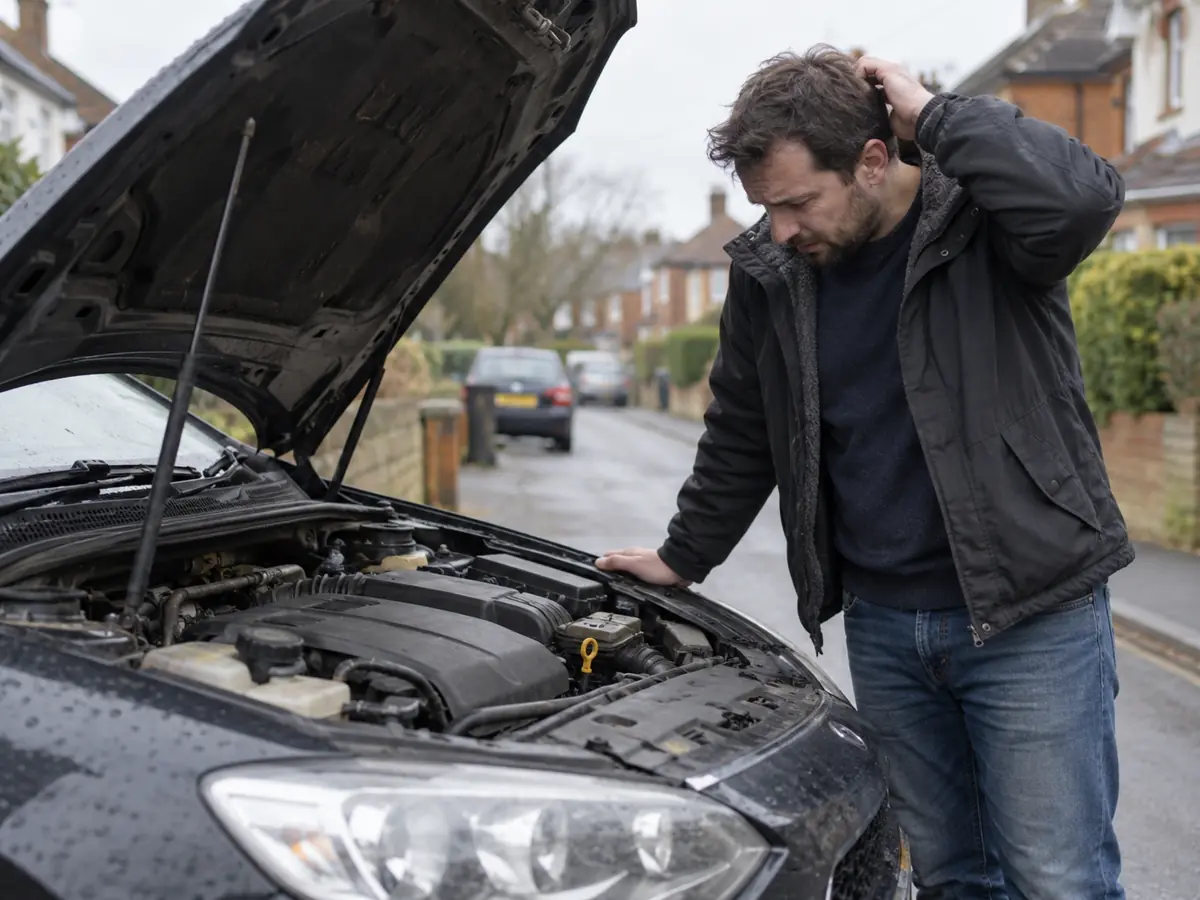
Your car won’t start but the battery is fine, or at least it seems that way. The dashboard lights come on, the radio works, and the headlights look normal, yet the engine refuses to start.
This doesn't always mean the battery is healthy. A weak battery can still power your lights without having enough energy to turn the engine. If the battery has been properly tested, the problem could be a faulty starter motor, loose electrical connections, an immobiliser fault, or a fuel system issue.
In this guide, we'll explain eight possible causes, what different starting sounds mean, and what you can safely check before calling for help.
A car needs more than a working battery to start. The starter motor must turn the engine, the fuel system must supply fuel, and the ignition or engine management system must work correctly.
If just one of these systems fails, your car may not start even when the battery is fully charged.
It's also important to understand the difference between two common problems:
Recognising which problem you're experiencing can make troubleshooting much easier.
Before checking individual components, pay attention to the sounds and dashboard behaviour.
| What you notice | Possible causes |
|---|---|
| Rapid clicking when starting | Weak battery, poor connections, or starter circuit fault |
| One loud click but no crank | Starter motor, solenoid, or electrical connection problem |
| No clicking or engine sound | Ignition switch, immobiliser, relay, or start circuit fault |
| Engine cranks normally but won't start | Fuel delivery, ignition, or sensor problem |
| Engine turns over slowly | Weak battery, poor connections, or starter problem |
| Engine starts and then stops | Immobiliser, fuel supply, or engine management fault |
These symptoms are clues rather than definite diagnoses. Different faults can cause similar behaviour.
For example, if your car won't start but the lights come on, you shouldn't immediately assume the starter motor needs replacing.
A professional battery and electrical system test can help identify the actual problem.
For further general guidance on starting problems, see this starting-a-car advice from the AA and this “my car won’t start” guide from the RAC.
The starter motor is responsible for turning the engine when you turn the key or press the start button.
If the starter motor fails, the dashboard lights might work normally, but the engine won't crank.
Common warning signs include:
A faulty starter solenoid or damaged electrical connection can produce similar symptoms.
What should you do?
Avoid repeatedly trying to start the engine. If the battery has been tested and the starter appears faulty, arrange a professional inspection.
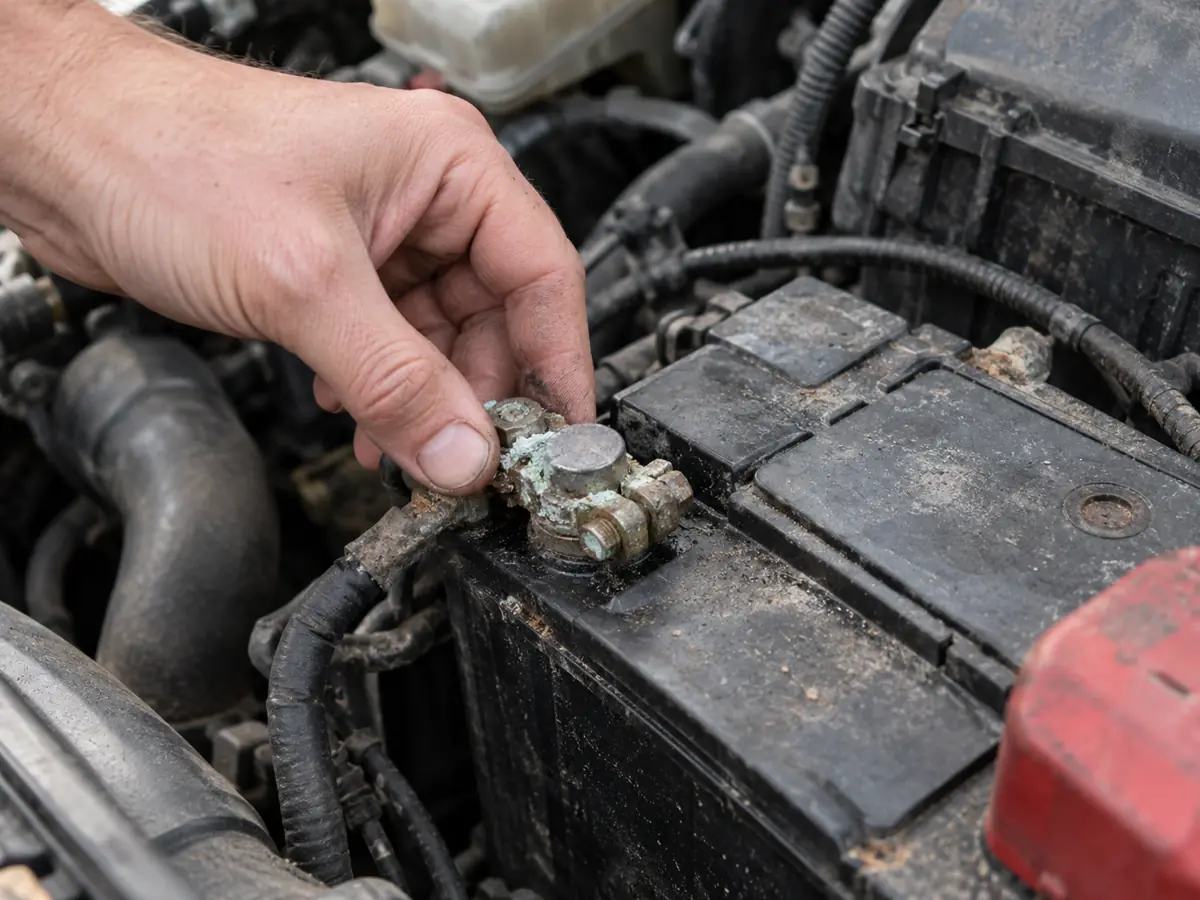
Sometimes the battery itself is working perfectly, but electricity cannot flow properly through its connections.
Battery terminals can become loose or develop corrosion over time. A damaged earth cable can also interrupt the electrical connection between the battery and the vehicle.
This may explain why your car won't start but the battery is good.
Signs to look for:
What should you do?
If the vehicle is safely parked, you can visually inspect the battery connections without touching them.
Do not disconnect terminals or attempt electrical repairs unless you have the required knowledge and equipment. Damaged, hot, leaking, or swollen batteries need professional attention.
The ignition switch tells the vehicle's electrical system to begin the starting process.
In cars with push-button starting, this process involves electronic controls, switches, and other safety systems.
If the ignition switch or start circuit develops a fault, the battery may have power, but the starter motor might not receive the correct signal.
Possible symptoms include:
What should you do?
Make sure the vehicle is correctly in Park or Neutral, or that the clutch is fully pressed where required.
If the problem continues, have the ignition and starting circuit inspected rather than replacing parts based on guesswork.
Most modern cars use an immobiliser to prevent the engine from starting without a recognised key.
If the system cannot recognise your key or develops an electronic fault, it may prevent the engine from starting.
This can happen even when the car battery is fully charged.
Common symptoms include:
What should you do?
Try your spare key if one is available.
For keyless vehicles, follow the manufacturer's instructions for emergency key detection. A flat key-fob battery can sometimes cause recognition problems.
If neither key works, professional diagnosis may be necessary.
If your engine cranks but won't start, the problem may be related to fuel delivery.
The fuel pump supplies petrol or diesel to the engine. If it fails, the engine may turn over normally but not receive enough fuel to start.
Other possible problems include a blocked fuel filter, fuel pressure fault, or an issue with the fuel injection system.
Warning signs may include:
What should you do?
First, check the fuel gauge and make sure there is enough fuel.
If the tank isn't empty and the engine continues cranking without starting, avoid repeated starting attempts. The fuel system may need professional testing.
Modern engines use sensors to tell the engine control unit when to deliver fuel and produce a spark.
One important component is the crankshaft position sensor, which monitors engine speed and position.
If this sensor fails, the engine may crank normally but fail to start.
On petrol vehicles, faulty ignition coils or other ignition components can also prevent the engine from running correctly.
Possible warning signs include:
Some faults appear only when the engine is warm, making them difficult to identify without testing.
What should you do?
A qualified technician can use diagnostic equipment and electrical tests to investigate the fault.
Avoid replacing sensors without confirming which component is causing the problem.
Your vehicle has fuses, relays, and wiring that help control the starter, fuel pump, ignition, and engine management systems.
If a relevant fuse blows, a relay fails, or a wire becomes damaged, the engine may not start.
Electrical faults can develop because of corrosion, moisture, vibration, or damaged wiring.
Possible symptoms include:
What should you do?
You can check the vehicle handbook to understand the location and purpose of its fuse boxes.
However, don't replace fuses with higher-rated ones, bypass relays, or interfere with damaged wiring.
If a replacement fuse blows again, the underlying electrical fault needs professional attention.
The alternator recharges the battery while the engine is running.
If it stops working properly, the vehicle may continue using the battery's stored energy until the charge becomes too low.
Eventually, the car may refuse to start.
A faulty alternator doesn't normally prevent an otherwise healthy, fully charged battery from starting the engine directly. Instead, charging problems often leave the battery discharged.
Warning signs include:
What should you do?
If your car starts after a jumpstart but the battery quickly becomes flat again, the charging system may need testing.
Don't assume replacing the battery will permanently fix the problem.
If your car won't start but the battery is charged, there are a few simple checks you can make before arranging assistance.
Turn on the ignition and check for warning lights.
A key symbol, security warning, or other unusual message may help identify the problem.
Notice whether the engine cranks, makes clicking noises, turns slowly, or remains completely silent.
These details are helpful when speaking to a mechanic or recovery provider.
Automatic vehicles normally need to be in Park or Neutral before starting.
Manual vehicles may require the clutch pedal to be fully pressed.
Check the vehicle handbook for the correct procedure.
If the vehicle displays a key recognition warning, try a working spare key.
This may help identify a problem with the original key or key-fob battery.
It sounds obvious, but an empty fuel tank can produce symptoms that resemble more serious faults.
Check the gauge before assuming there's an electrical or mechanical problem.
If the vehicle is safely parked, look for obvious corrosion, loose-looking connections, or visible battery damage.
Do not touch exposed electrical parts or attempt repairs if you're unsure.
Important: If your car breaks down in a dangerous location, personal safety comes before troubleshooting. Do not open the bonnet or attempt repairs where doing so would expose you to traffic.
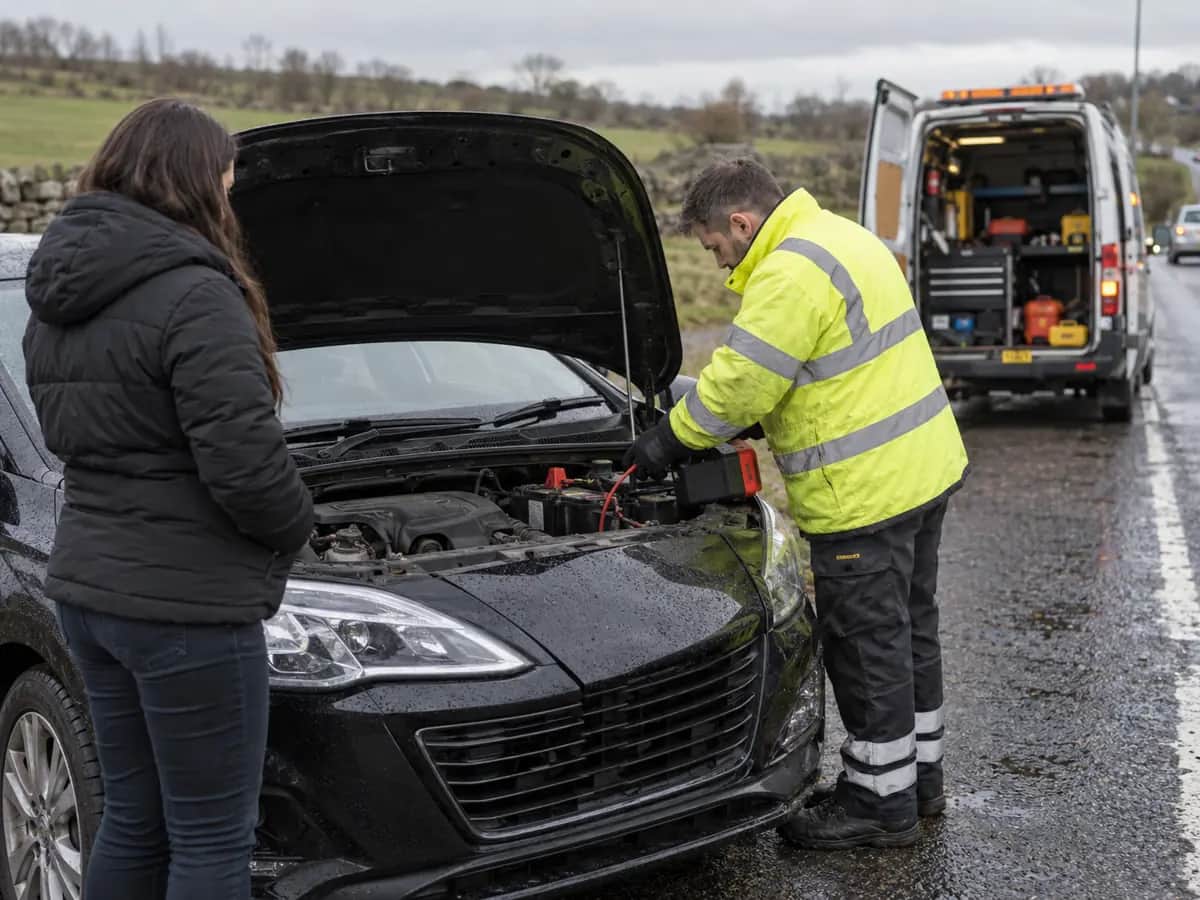
Some starting problems are straightforward, while others require professional equipment and inspection.
Consider calling roadside assistance when:
If the problem involves insufficient battery power, professional jumpstart assistance may help.
For other starting problems, roadside assistance can help determine the next step.
If the car cannot be restarted or safely driven, vehicle breakdown recovery may be needed to transport it to a suitable garage.
Not every starting problem can be fixed at the roadside. Some vehicles need further mechanical or electrical diagnosis.
Not every breakdown is avoidable, but basic maintenance can reduce the risk of being stranded.
Look after your battery. Have it tested if you notice slow starting, especially before winter. Older batteries can struggle in cold weather.
Keep up with servicing. Regular maintenance can identify worn components and developing problems before they cause a breakdown.
Pay attention to warning lights. Don’t ignore battery, engine, or electrical warning messages.
Investigate repeated starting problems. If your car occasionally refuses to start, have it checked before the fault becomes permanent.
Avoid unnecessary battery drain. Switch off lights and electrical equipment when appropriate, and remember that vehicles left unused for long periods may experience battery discharge.
Deal with unusual sounds early. Grinding, repeated clicking, or changes in cranking speed may indicate a developing problem.
A fully charged battery is only one part of the starting system. The engine also needs a working starter, suitable electrical connections, fuel delivery, and the correct control signals. A fault in any of these systems may prevent starting.
Yes. A starter motor can fail even when the battery is healthy. A single click or no engine movement may indicate a starter problem, although electrical connections and other components can cause similar symptoms.
Rapid clicking often suggests insufficient electrical power or poor battery connections. A single click can indicate a starter or solenoid problem. However, the sound alone cannot confirm the fault.
A jumpstart may help if the battery is weak despite appearing normal. However, it won't repair a faulty starter motor, failed fuel pump, or immobiliser problem. Only attempt jumpstarting when it's appropriate for your vehicle and you can follow the manufacturer's instructions safely.
Intermittent starting problems can be caused by poor electrical connections, a developing starter fault, key recognition issues, or failing sensors. Because the problem may disappear temporarily, professional testing can be useful before it becomes worse.
A car that refuses to start can interrupt your plans, whether you're leaving home, heading to work, or stopping during a journey.
If the battery seems fine but the engine still won't start, avoid repeatedly trying to start it without knowing the cause.
FSR Recovery Group provides 24/7 roadside assistance, jumpstart support, and vehicle breakdown recovery in Darlington and surrounding areas.
If your vehicle can't be restarted safely, our team can discuss suitable roadside help or arrange recovery to an agreed destination.
Call FSR Recovery Group: +44 7888 502989
You can also contact us through our website to discuss the assistance you need.
FSR Recovery Group provides 24/7 vehicle recovery and roadside assistance across Darlington, County Durham and North Yorkshire. Call or message us with your location and we’ll confirm the right help for your situation.
A breakdown on a fast-moving motorway is one of the more stressful situations a driver can face. Here's how to stay safe and get help quickly.
Read Article